
Custom Tool Belts for Construction Companies in Australia: A Complete Ordering Guide
Discover how Australian construction companies can order custom tool belts with branding — covering decoration methods, MOQs, budgeting tips and more.

Written by
Jake Murray
Safety & Workwear
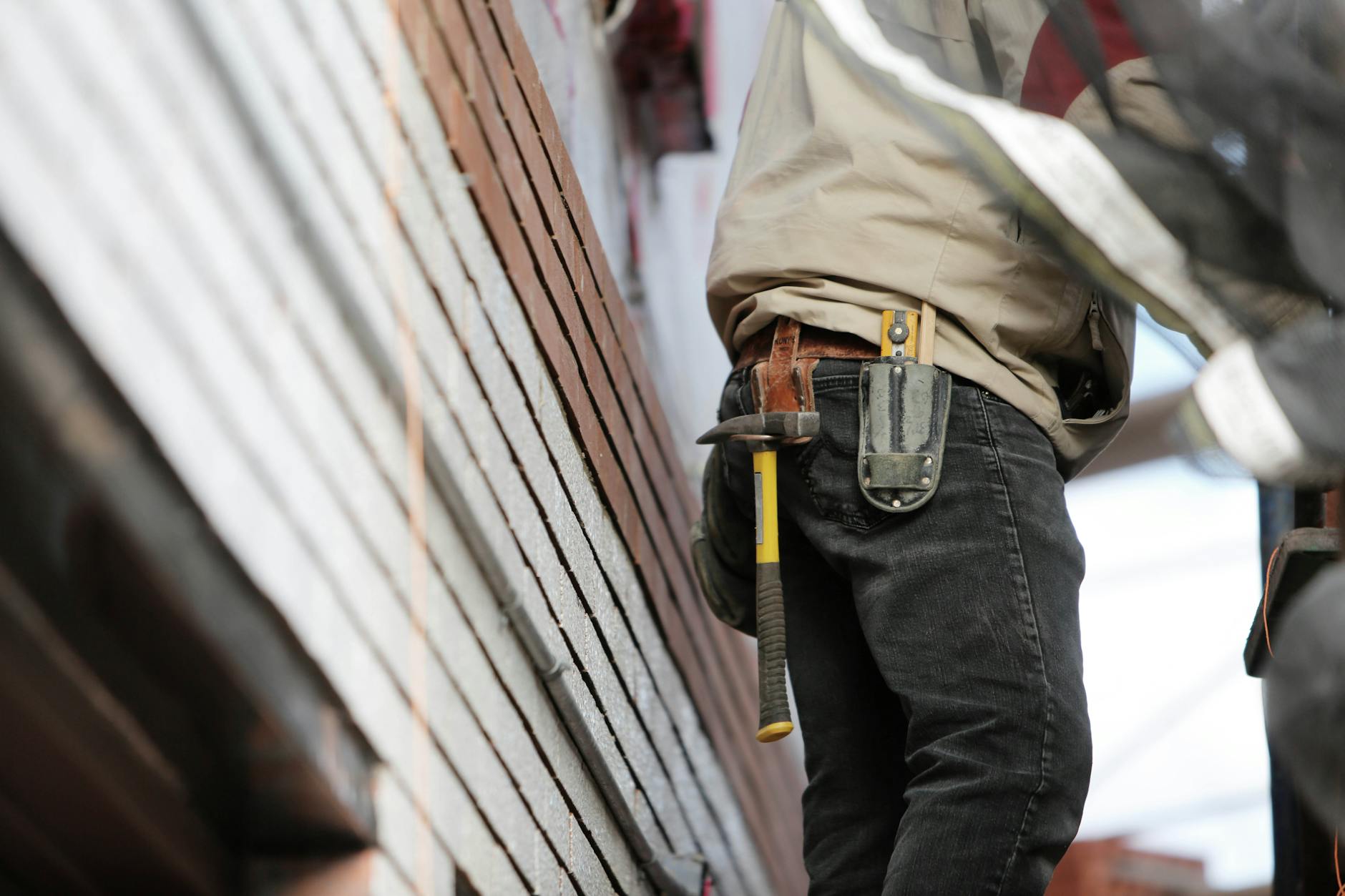
When it comes to workwear on Australian job sites, functionality and branding rarely get discussed in the same breath. But custom tool belts for construction companies in Australia are quietly becoming one of the smartest promotional and practical investments a building firm can make. Whether you’re a sole trader running a crew in Brisbane, a mid-sized construction company operating across New South Wales and Victoria, or a national builder with sites from Perth to Cairns, a well-branded tool belt does double duty — it keeps your tradies equipped on the job and keeps your company name front and centre every single day.
This guide breaks down everything you need to know before ordering custom tool belts: what options are available, how to get your branding right, what to budget, and how to avoid the common pitfalls that catch Australian businesses off guard.
Why Custom Tool Belts Make Sense for Construction Companies
The promotional products industry has long understood that the best branded items are the ones people actually use. Unlike branded pens that end up in a drawer or promotional water bottles that sit on a desk, a tool belt is worn on the body for hours at a time, on job sites, at supplier meetings, and in client walkthroughs. That’s visibility you simply can’t replicate with a billboard.
For construction companies specifically, the case is compelling:
- Team cohesion and professionalism: A matching set of branded tool belts signals to clients that your crew is organised, professional, and takes pride in their work.
- Retention and morale: Quality workwear is a tangible investment in your team. Tradies who feel valued are more likely to stay.
- Consistent brand presence: On active builds, your crew becomes a walking advertisement. Subcontractors, delivery drivers, inspectors, and potential clients all see your branding throughout the day.
- Safety and practicality: A well-designed tool belt keeps tools accessible, reducing the risk of dropped equipment and unnecessary movement on site.
This isn’t just about aesthetics. It’s a practical business decision with a measurable return.
What to Look for in a Custom Tool Belt
Before you think about your logo, you need to think about the belt itself. Not all tool belts are created equal, and the right choice depends heavily on the type of work your crew does.
Material and Durability
The two most common materials for trade-quality tool belts are full-grain leather and heavy-duty nylon or polyester. Leather belts tend to be more durable over the long term and develop a patina with use, but they’re heavier and more expensive. Nylon and polyester options are lighter, often water-resistant, and better suited to humid environments like construction sites in Darwin or coastal Queensland.
For companies operating in outdoor or wet conditions, look for tool belts with reinforced stitching, rust-proof hardware, and moisture-resistant materials.
Pocket Configuration and Load Capacity
Different trades have different needs. Carpenters need deep pockets for chisels and nail sets. Electricians need smaller compartments for terminals and wire nuts. Plumbers need rings and loops for wrenches. When briefing your supplier, be specific about your industry — a generic tool belt may not serve a specialised trade crew well.
Also consider load rating. A heavy-use site belt should be able to carry 10–15 kilograms of tools without sagging or stressing the hardware.
Adjustability and Ergonomics
Tool belts worn for eight or more hours a day need to fit properly. Look for wide padded belts with adjustment capacity across a range of sizes. Ergonomic options with lumbar support panels are increasingly popular with construction companies that take employee health seriously.
Decoration Methods for Custom Tool Belts in Australia
This is where many construction companies get caught out. Branding a tool belt is not the same as printing a t-shirt. The surface, material, and usage conditions all influence which decoration method will hold up over time.
Embroidery
Embroidery is generally the most durable and professional option for branding tool belts — particularly on fabric panels, straps, or pouches. It withstands harsh conditions including dust, moisture, and daily abrasion far better than printed alternatives. For companies that want a premium finish, embroidery on a contrasting loop or patch on the main belt panel is an excellent choice.
If you’re interested in learning more about how embroidery compares to other methods on workwear, our guide to custom embroidered Nike polo shirts covers the core considerations well, even though the product is different — the decoration principles translate directly.
Heat Transfer and Screen Printing
On nylon or synthetic panels, heat transfer vinyl is a practical option for logos with fewer colours and clean lines. Screen printing can work on flat fabric panels but is less suited to structured tool belts with heavy stitching. Both methods are more cost-effective than embroidery but may not last as long under heavy site conditions.
Laser Engraving and Debossing
For leather tool belts, laser engraving and debossing are the go-to methods. Both create a permanent impression directly into the material — no inks, no threads, just a clean, professional mark. Debossing is particularly popular for leather because it adds a tactile quality that looks exceptional for client-facing roles or team rewards.
For a deeper look at how different fabric printing techniques work, our breakdown of dye sublimation paper types for fabric printing offers useful context on the technical side of decoration choices.
Ordering Custom Tool Belts: What to Expect
Minimum Order Quantities
MOQs vary depending on the product and supplier, but for custom tool belts in Australia, expect minimums of around 12–25 units for embroidered or debossed branding. If you’re after a fully custom-manufactured belt (i.e., produced to your spec from scratch), MOQs climb significantly — often 100 units or more. Most construction companies ordering for a crew of 10–30 people will be well within the standard range.
Turnaround Times
Standard turnaround for decorated tool belts in Australia typically runs 2–4 weeks from artwork approval to delivery. If you’re ordering from offshore suppliers through a local distributor, allow 6–10 weeks, especially around Chinese New Year or peak periods. If you need items quickly for a project launch, always ask about rush production options — some suppliers can expedite for an additional fee.
Artwork Requirements
Most suppliers need vector artwork (AI, EPS, or high-resolution PDF) for embroidery or laser engraving. Raster images (JPEG, PNG) are generally not suitable for quality reproduction at trade level. If your logo was designed professionally, you should have vector files — if not, speak to your supplier about artwork recreation, which is usually available for a modest fee.
Setup Fees and Bulk Pricing
Most decoration methods involve a one-time setup fee — for embroidery, this is the cost of creating the digitised stitch file, which can range from $30–$80 depending on complexity. Once set up, that file is yours to use for future orders. Bulk pricing typically kicks in at higher quantities, so if you’re planning multiple orders across a financial year, it’s worth discussing volume pricing upfront.
Budget Considerations for Construction Companies
Pricing for custom tool belts in Australia varies significantly by material and branding method. As a general guide:
- Entry-level nylon tool belts with embroidery: $35–$60 per unit at standard quantities
- Mid-range leather tool belts with debossing: $80–$130 per unit
- Premium ergonomic belts with full customisation: $150+ per unit
For EOFY ordering, branded workwear including tool belts can be a deductible business expense — worth discussing with your accountant. Our guide to EOFY branded gifts for customers covers the broader landscape of tax-time gifting strategy if you want to align your branded workwear order with your financial planning.
If you’re also managing other branded workwear or safety items, it’s worth bundling orders where possible. Items like branded first aid kits are a natural pairing for construction site safety kits, and ordering multiple items from one supplier reduces freight costs and simplifies the project management process.
Pairing Custom Tool Belts with a Broader Branded Workwear Strategy
Custom tool belts are most effective when they’re part of a cohesive branded workwear approach. Consider what else your crew wears or carries on site:
- Hi-vis vests and shirts with embroidered logos
- Caps and beanies for sun and cold weather protection
- Duffle bags and site bags — our guide to duffle bags covers branded bag options worth exploring for tools or personal gear transport
- Lanyards and ID holders for site access passes — custom car key lanyards shows how branded lanyards work across different contexts
- Branded ribbons and awards for recognition programs — personalised ribbons for sales achievement awards is a useful read if you run internal team recognition schemes
The more consistent your branding across touchpoints, the stronger your company’s professional image on site and off.
Common Mistakes to Avoid When Ordering Custom Tool Belts
Not ordering samples first. Always request a pre-production sample before committing to a full run. Tool belts need to be assessed for build quality, pocket configuration, and branding placement before you lock in an order.
Choosing decoration method based on price alone. A cheaper heat transfer might save money upfront but won’t last six months on a working site. Match the method to the conditions.
Ignoring size variation in the crew. Tool belts need to fit a range of body sizes. Make sure your order accounts for adjustability and that any padding or support is size-appropriate.
Forgetting to check lead times against your project schedule. If you need branded tool belts ready for a project launch in three weeks, confirm your supplier can meet that timeline before ordering.
Conclusion: Key Takeaways
Custom tool belts for construction companies in Australia are a practical, high-visibility investment that works on multiple levels — from team cohesion to brand presence and employee morale. Done right, they’re one of the most effective forms of branded workwear a construction business can deploy.
Here’s what to keep in mind before you order:
- Choose materials suited to your working environment — nylon for wet or humid conditions, leather for premium or client-facing contexts.
- Match your decoration method to the material — embroidery and debossing outperform print methods for durability on active job sites.
- Plan your lead times carefully — allow 2–4 weeks minimum for decorated stock, longer for custom-manufactured options.
- Bundle orders where you can — pairing tool belts with other branded workwear or safety items from the same supplier reduces costs and complexity.
- Request samples before committing — always approve a pre-production sample to confirm quality and branding placement before your full run goes into production.
If you’re ready to explore your options, start by briefing a reputable promotional products supplier with your logo files, crew size, trade type, and delivery timeline. The more detail you provide upfront, the smoother the process will be.